


Jueteng, a widely known numbers game in the Philippines, has been a part of the country’s culture and economy for decades. Despite its illegal status, it continues to thrive, supported by various sectors of society. The complexity of Jueteng is fascinating, intertwining with social, political, and economic aspects. Understanding its persistence and impact provides insight into broader societal issues.
Jueteng is essentially a local lottery, similar to games found in other cultures but unique in its execution and societal role in the Philippines. The game operates by drawing numbers, typically from 1 to 37, with bettors placing wagers on combinations they believe will win. The allure of Jueteng lies in its simplicity and the promise of quick monetary gains.
It is important to consider Jueteng’s historical roots to understand its entrenched position in Filipino society. The origins trace back to the colonial period, having evolved over the centuries. Today, it is often likened to a cultural phenomenon, deeply embedded in the daily lives and traditions of many Filipinos.
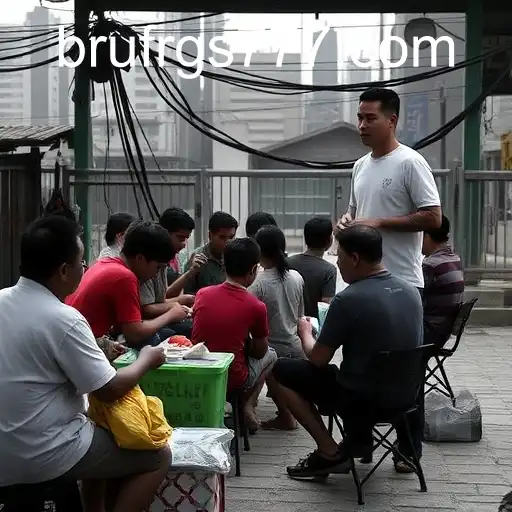
This connection to culture is further enhanced by the communal nature of the game. Jueteng is often seen as a social event, a regular gathering where community members participate not just for potential winnings but also for the shared experience.
Despite its illegal status, Jueteng operates as a significant part of the underground economy. It provides livelihood for numerous people, from bet collectors to coordinators. In many rural and urban communities, it is considered an economic lifeline, offering a source of quick, albeit unpredictable, income.
The money involved in Jueteng is substantial. Weekly, millions of pesos circulate in this illicit trade, translating to significant revenue. However, this also contributes to economic challenges. Money spent on Jueteng often bypasses the formal economy, evading taxes and leading to lost revenue for government programs.
The relationship between Jueteng and politics in the Philippines is particularly intricate. Its enduring presence, despite numerous crackdowns, can be attributed to longstanding political ties. Local politicians and law enforcement agencies are often accused of receiving protection money, allowing the game to continue with relative impunity.
This corruption extends beyond immediate players in Jueteng. Political campaigns are occasionally funded through Jueteng money, creating a cycle of dependency and obligation. This entanglement complicates efforts to eradicate the practice, as it requires dismantling deeply rooted networks of influence.
While Jueteng is illegal, authorities have made numerous attempts to curb its growth and influence. Despite these efforts, success has been limited. Crackdowns and anti-Jueteng campaigns often sweep through during election seasons, yet the game resurfaces, resilient and adaptive.
The failure to eliminate Jueteng raises questions about the effectiveness of policy approaches. Legal alternatives like the Philippine Charity Sweepstakes Office (PCSO) exist but have not drastically reduced Jueteng’s prevalence. The lack of success highlights the need for comprehensive reforms and community engagement, focusing not only on punishment but also on providing alternative livelihoods.
The digital age has brought changes to many traditional practices, and Jueteng is no exception. Platforms like "UFRGS777 PH Login" represent the technological adaptation of numbers games, showing the ongoing evolution in how these are accessed and played.
Technology serves as both a challenge and an opportunity. Online platforms can widen the reach of such games, bypassing physical borders and making regulation difficult. However, they also offer an opportunity for better monitoring and regulation if harnessed effectively by authorities.
The advent of technological solutions also raises questions about regulation and ethical considerations. As these platforms grow, there is a need for governing bodies to address their legality and impact on society effectively.
The societal impact of Jueteng is substantial. Beyond economic implications, it influences social dynamics and contributes to broader issues such as addiction and financial instability. Families are often torn by the losses incurred, with individuals sometimes resorting to extreme measures to recover finances lost to gambling.
Additionally, Jueteng can breed disparities within communities. The perception of quick money can overshadow the hard work required for stable financial security, affecting community members' outlooks and priorities.
The continued existence of Jueteng reflects complex societal issues that intertwine history, culture, economics, and politics. Addressing it requires more than legal enforcement; it demands a nuanced understanding of its role and a collaborative, multifaceted approach to reform.
For Filipinos, Jueteng is a symbol of resilience against the odds, reflecting a collective spirit but also highlighting systemic challenges that need addressing for genuine societal progress.

Explore PartyNight, an exciting social game with interactive rules and engaging gameplay to energize your next gathering.

Explore the exciting world of MegaAce, a captivating blend of strategy, skill, and technology.

Dive deep into the world of XiYangYang, understanding its gameplay, origin, and connection to current gaming trends, especially with ufrgs777 PH Login.

Dive deep into the exhilarating world of CaminodeChili, a game that combines cultural intrigue and spicy excitement in an unforgettable virtual journey.

Explore the captivating game of WonWonWon, complete with an in-depth description and rules in alignment with the latest trends.

Explore the immersive world of EgyptBonanza, uncover its engaging gameplay features, and learn how to navigate its rules.
